auritrade Logo Auritrade Contact Us
Contact Us

Resources / Industrial Filtration

Industrial Filtration Systems for Estonian Production

Comprehensive guides on air and water filtration solutions designed for manufacturing facilities across Tallinn and Estonia. Learn how to select, maintain, and optimize filtration systems for your production environment.

Featured Guides & Articles

Practical resources for understanding filtration technology and best practices

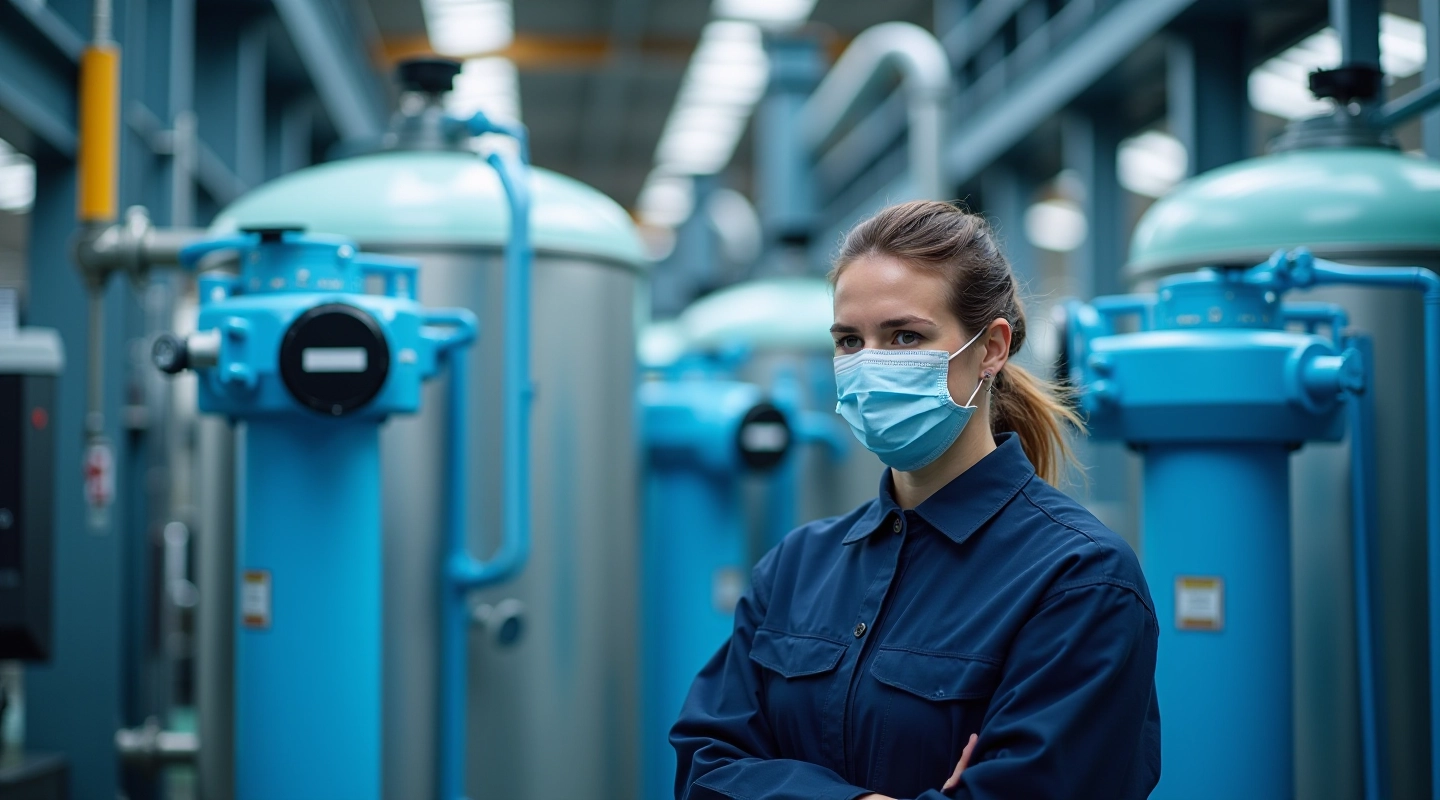
Industrial water filtration system with metal pipes and control panel in a modern manufacturing facility

Water Filtration Systems for Manufacturing Plants

Understanding the different types of water filtration technology used in production facilities. Covers sediment filters, activated carbon, and membrane systems suitable for industrial operations.

12 min Intermediate July 2026
Read Article
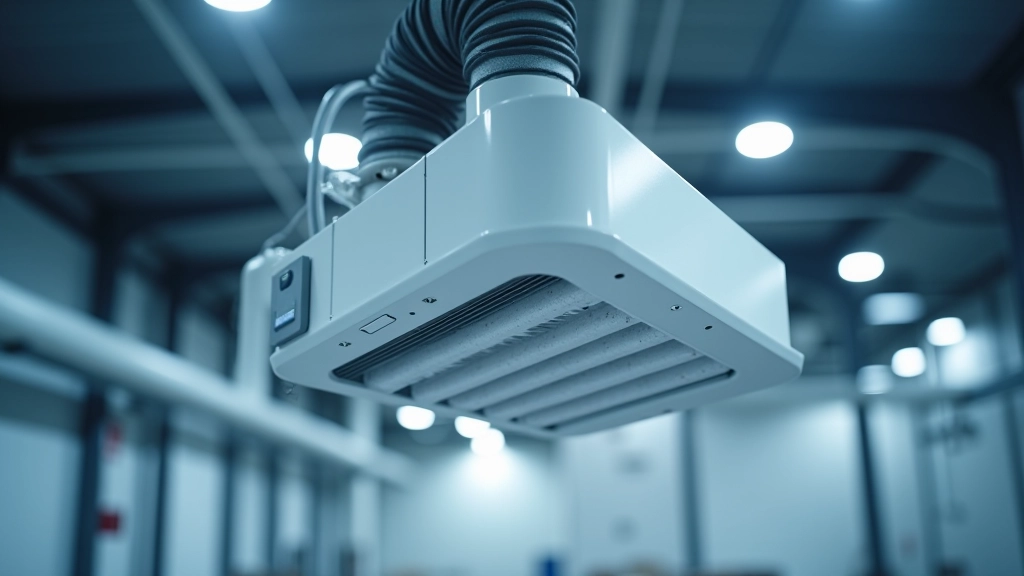
Air filtration equipment with HEPA filters and ducting system mounted on factory ceiling

Air Quality Control in Production Facilities

How air filtration systems protect workers and equipment while maintaining product quality. Learn about HEPA filters, particulate removal, and proper ventilation design for industrial spaces.

10 min Beginner July 2026
Read Article
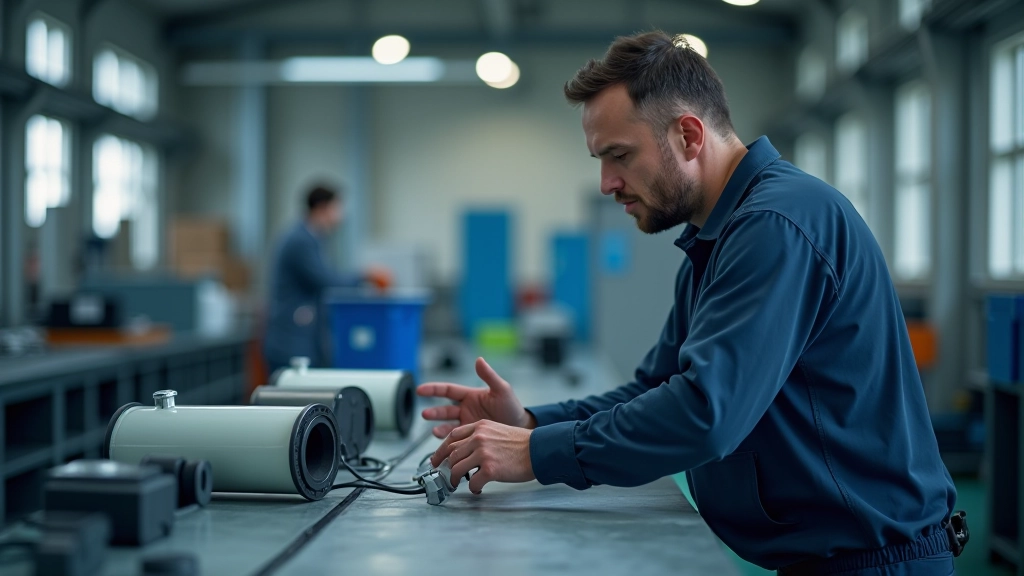
Technician performing maintenance on industrial filter system with replacement cartridges stacked nearby

Maintenance Schedules and Filter Replacement

Practical guidance on maintaining filtration systems to maximize efficiency and equipment lifespan. Includes filter replacement timelines, cost considerations, and performance monitoring techniques.

9 min Beginner July 2026
Read Article
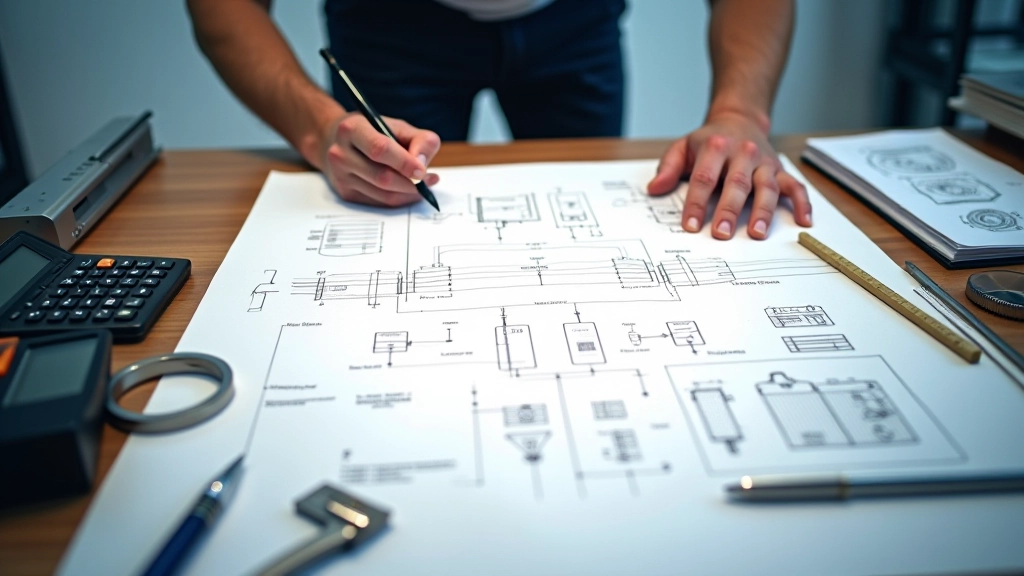
Blueprint and technical specifications for filtration system design laid out on engineering desk

Selecting the Right Filtration Solution for Your Facility

Step-by-step process for evaluating your facility's filtration needs. Covers flow rate requirements, contamination levels, space constraints, and budgeting for effective system selection.

14 min Advanced July 2026
Read Article
"

We've found that the most successful facilities aren't necessarily the ones with the newest equipment—they're the ones that understand their specific filtration needs and invest in proper maintenance. You can't just install a system and forget about it. The real cost of filtration is understanding what you're actually filtering out and why it matters to your operation.

— Editorial Team, Industrial Resources

Common Questions About Industrial Filtration

How often should I replace my industrial filters?

Filter replacement frequency depends on several factors including air or water quality, system usage, and contamination levels. Most facilities replace filters between 3 to 12 months. You'll know it's time when pressure drops increase or flow rates decrease noticeably. We recommend checking manufacturer specifications for your specific equipment and monitoring performance monthly.

What's the difference between air and water filtration systems?

Air filtration removes particles, dust, and contaminants from the atmosphere, while water filtration removes sediment, chemicals, and biological matter from liquids. Air systems use filters like HEPA or activated carbon, while water systems might use sand filters, membrane systems, or activated carbon. The design, materials, and maintenance schedules differ significantly based on what medium they're filtering.

Can I clean and reuse industrial filters?

Some industrial filters can be cleaned and reused, while others are designed for single use. Pleated fabric filters can sometimes be cleaned with compressed air or backflushing, but cartridge filters and HEPA filters typically need replacement. Attempting to clean single-use filters often damages them and reduces effectiveness. Always check your equipment's manual before attempting any cleaning procedures.

How do I know if my filtration system needs upgrading?

Signs you might need an upgrade include consistently high pressure drops, frequent filter changes, visible contamination reaching equipment, or changing production requirements. If your facility's operations have expanded or your product specifications have become stricter, your current system may not be adequate. A professional assessment can determine if your system matches your facility's current and future needs.